
If You Have Diabetes, Keep An Eye On Your Vision
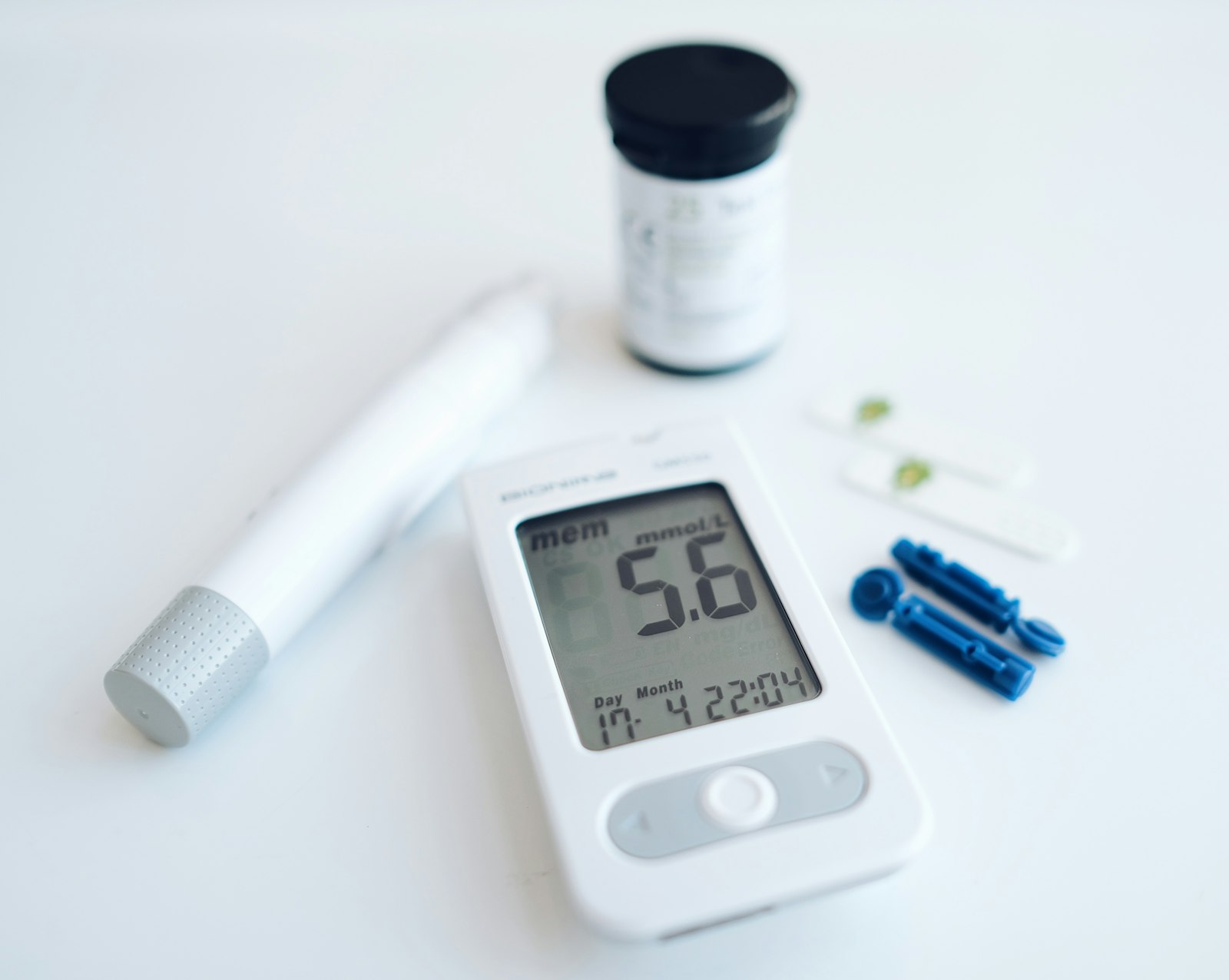
Diabetes is one of the most prevalent chronic diseases today.
In fact, 29.1 million people in the U.S. have diabetes and millions more living with the condition don’t even know they have it. This November, Diabetic Eye Disease Month, we want to help raise awareness about the vision complications associated with diabetes and what you can do to prevent them.
Diabetes Is The Leading Cause Of Blindness In Adults
So, first and foremost, why does diabetes affect vision? Having high blood sugar can cause the lens of the eye to swell and change shape, affecting your ability to see. In fact, blurry vision is often one of the first warning signs of diabetes.
Diabetes contributes to a number of other, more serious eye problems than blurry vision, however.
The most common of these problems being:
- Retinopathy–Because of high blood sugar, blood vessels that supply the retina may be damaged and restricted. Diabetic retinopathy accounts for 12 percent of all new cases of blindness in the U.S.
- Glaucoma–Glaucoma occurs when there is increased pressure in the eye, causing damage to the optic nerve and resulting in vision loss. People with diabetes are 40 percent more likely to suffer from glaucoma than those without the disease.
- Cataracts–Cataracts form when the lens of the eye becomes clouded. Diabetics are 60 percent more likely to get them. In those with diabetes there is also a higher risk of cataracts developing earlier and progressing faster.
Keep Your Optometrist Involved
Keeping your optometrist involved is an important step to preventing diabetic eye disease. If you’ve been diagnosed with diabetes or if there are changes in your condition, let them know. Keep them informed of your medications and your doctor’s recommended treatment plan.
Oftentimes with diabetic retinopathy the retina can be badly damaged before any changes in vision are noticed. That is why it is so important to get your eyes checked on a regular basis as recommended by an eye care professional. In many cases, catching and treating diabetic eye diseases early can prevent vision loss and blindness.
Even if you attend your regular checkups, see your eye doctor immediately if you experience:
- Black spots in your vision
- Flashes of light
- Blurred vision
- Double vision
- Pain in your eyes
- Any sudden change in vision
Your Health Matters To Us
Every aspect of your health is important to us, not just your the health of your eyes. If you have questions about how your optometrist can help you manage your diabetes, contact a Vision Source® member practice near you. We are your partners in ensuring both your vision and overall health.
Thank you for being our valued patients and friends!
Top image by Flickr user Alan Levine used under Creative Commons Attribution-Sharealike 4.0 license. Image cropped and modified from original.
The content on this blog is not intended to be a substitute for professional medical advice, diagnosis, or treatment. Always seek the advice of qualified health providers with questions you may have regarding medical conditions.
Helpful Articles
All Eye Care Services
Find personalized eye care excellence with our comprehensive services. From eye exams to advanced diagnostics, trust us for all your vision needs.
Keep In Touch
For non-urgent questions or to learn more about our services, contact us today!
© 2026 Main Street Optometry Dexter. All rights Reserved - Accessibility Statement - Privacy Policy - Sitemap
Managed and Designed by 