
The Difference Between a Vision Screening and a Comprehensive Eye Exam
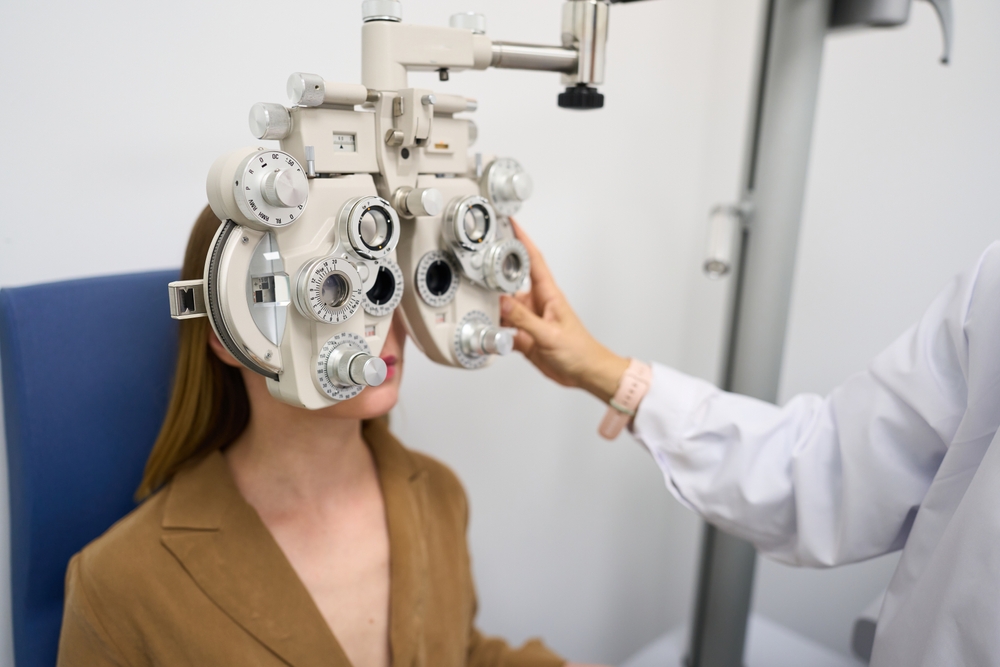
Vision screenings and comprehensive eye exams both help identify vision concerns, but they are not the same. A vision screening is a basic check that may detect possible signs of a problem, while a comprehensive eye exam gives a more complete look at your vision, eye health, and overall visual function.
What Is A Vision Screening?
A vision screening is a quick test used to check for obvious vision problems. These screenings are often done at schools, pediatrician offices, health fairs, or during routine wellness visits. They may include reading letters on an eye chart or checking how well each eye sees from a distance.
While screenings can be helpful, they are limited. They are designed to identify people who may need additional care, not to diagnose eye conditions or provide a full prescription. A person can pass a vision screening and still have an undetected vision or eye health issue.
What Is A Comprehensive Eye Exam?
A comprehensive eye exam is a detailed evaluation performed by an eye doctor. It checks how clearly you see, how well your eyes work together, and whether your eyes are healthy. These exams can detect vision changes, focusing problems, eye alignment issues, and signs of eye diseases that may not cause noticeable symptoms at first.
During a comprehensive eye exam, your eye doctor may evaluate several areas, including:
- Visual clarity and prescription needs
- Eye focusing and teaming
- Depth perception and peripheral vision
- Eye pressure and internal eye health
- Signs of conditions such as dry eye, cataracts, glaucoma, or retinal concerns
This type of exam gives a much broader picture of your vision and eye health than a basic screening.
Why A Screening Is Not A Replacement For An Eye Exam
A vision screening can be useful as a first step, but it does not replace a comprehensive eye exam. Screenings often focus on distance vision only, which means they may miss problems with near vision, eye coordination, or focusing. These issues can affect reading, learning, computer use, and daily comfort.
For children, this distinction is especially important. Clear vision is closely connected to learning, but some vision problems do not show up on a basic school screening. A child may see the board clearly but still struggle with reading, eye tracking, or visual fatigue.
When To Schedule A Comprehensive Eye Exam
You should schedule a comprehensive eye exam if you notice blurry vision, headaches, eye strain, frequent squinting, trouble reading, light sensitivity, or changes in vision. Children may also need an exam if they lose their place while reading, avoid close-up work, cover one eye, or have difficulty concentrating on schoolwork.
Even without symptoms, annual comprehensive eye exams are important. Many eye conditions develop gradually, and early detection allows your eye doctor to recommend the right care before problems become more serious.
Book Your Visit With Vision Source
Vision screenings have a place, but they are only a starting point. A comprehensive eye exam provides the detailed information needed to understand your vision, protect your eye health, and support long-term visual comfort. Whether you are scheduling care for yourself or your child, an eye exam offers a more complete and reliable evaluation.
Schedule your comprehensive eye exam today and feel confident knowing your eyes are getting the care and attention they deserve.
Helpful Articles
All Eye Care Services
Find personalized eye care excellence with our comprehensive services. From eye exams to advanced diagnostics, trust us for all your vision needs.
Keep In Touch
For non-urgent questions or to learn more about our services, contact us today!
© 2026 Main Street Optometry Dexter. All rights Reserved - Accessibility Statement - Privacy Policy - Sitemap
Managed and Designed by 