
Cataract Symptoms and How To Handle Them | Vision Source
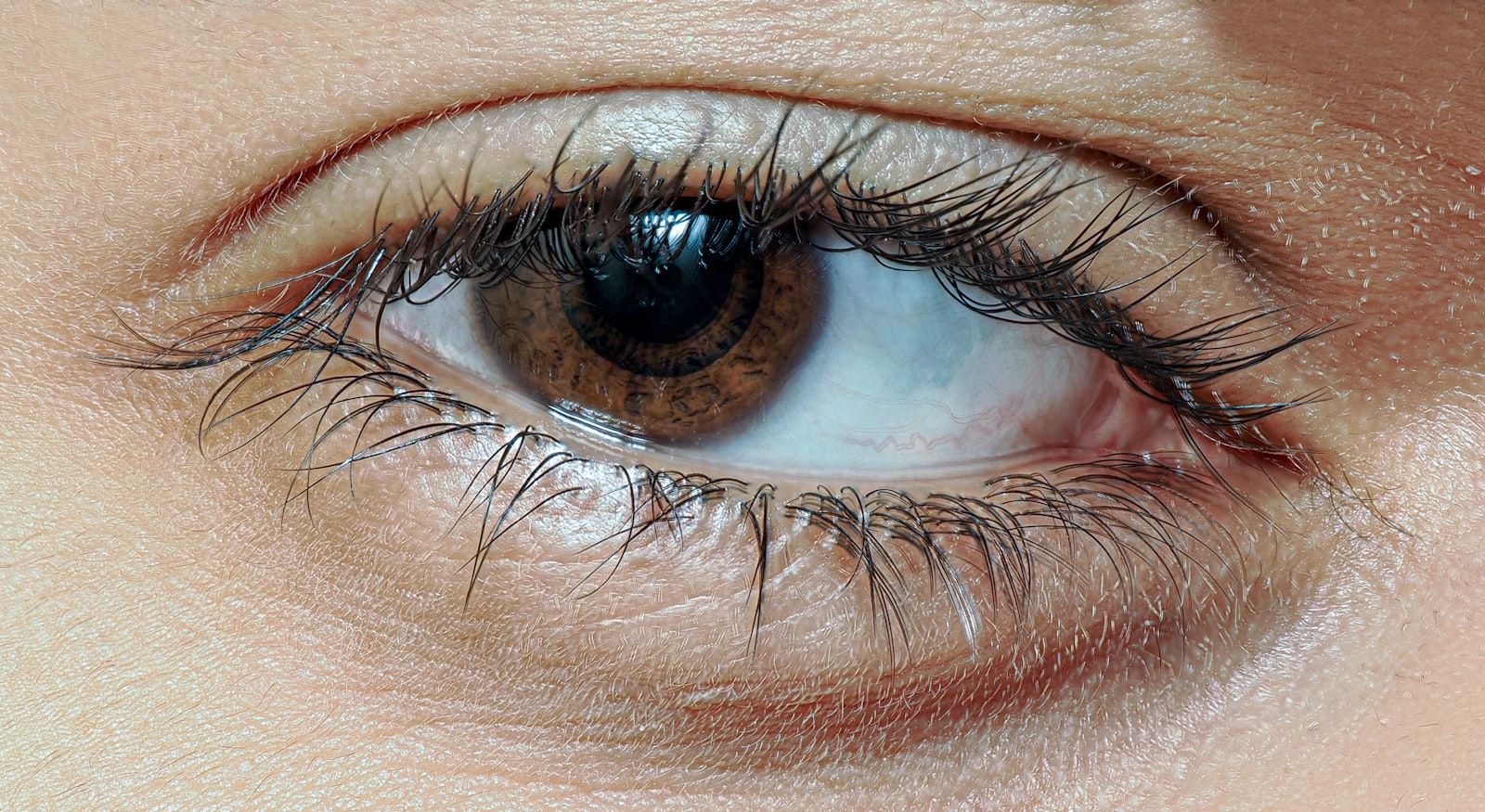
June is Cataract Awareness Month, and we’re here to help clear some of the fog surrounding cataracts.
Although most of us have heard the term “cataract” before, you may not fully understand what they actually are.
Cataracts are cloudy areas on the lens of the inside of the eye, which normally allow clear and focused eyesight. When they occur on our lens, cataracts leave our eyesight blurry or dimmed.
Common Symptoms of Cataracts
Some of you may be wondering how you can detect if you have a cataract or just an irritated eye.
There are several symptoms that may occur from cataracts:
- Clouded, blurred, or dimmed vision
- Fading colors
- Poor night vision
- Sensitivity to light and glare
- Double or multiple vision in one eye
- Seeing “halos” around lights
- Frequent prescription changes (eyeglasses or contacts)
Many people don’t realize they have cataracts until they get worse. In some cases, cataracts make it difficult to complete everyday tasks.
A person with cataracts may find it difficult to read or drive, especially at night. Even though cataracts are not usually painful, your vision may be altered. In most cases, a person’s long distance vision is the first to be affected.
What Causes Cataracts?
The lens is made up of mostly water and protein, and the protein forms in a certain way to keep the lens clear allowing light to pass through. This allows a clear and focused image onto the retinal surface.
As we age, the protein in our lens may move or clump together, forming a clouded area on the lens called a cataract.
There are three common types of cataracts that could occur as you age:
- Nuclear Sclerotic: This is the most common type of cataract. It involves a hardening and yellowing of the lens over time.
- Cortical: This cataract leaves the outside of the lens cloudy, and your vision may become blurred or dimmed.
- Posterior Subcapsular: This cataract leaves a cloudy area on the back surface of the lens which results in the “halo” effect or sensitivity to glare and light.
What to Do If You Have Cataracts
As you age, your eyes become more susceptible to eye related issues which could affect your vision. If you or someone you know is faced with cataracts, reach out to your eye doctor and find out what the next steps should be.
If you still have questions about cataracts or how to potentially prevent them, stay tuned for our next Cataract Awareness Month post on some possible lifestyle changes that could help prevent cataracts.
Helpful Articles
All Eye Care Services
Find personalized eye care excellence with our comprehensive services. From eye exams to advanced diagnostics, trust us for all your vision needs.
Keep In Touch
For non-urgent questions or to learn more about our services, contact us today!
© 2026 Main Street Optometry Dexter. All rights Reserved - Accessibility Statement - Privacy Policy - Sitemap
Managed and Designed by 